
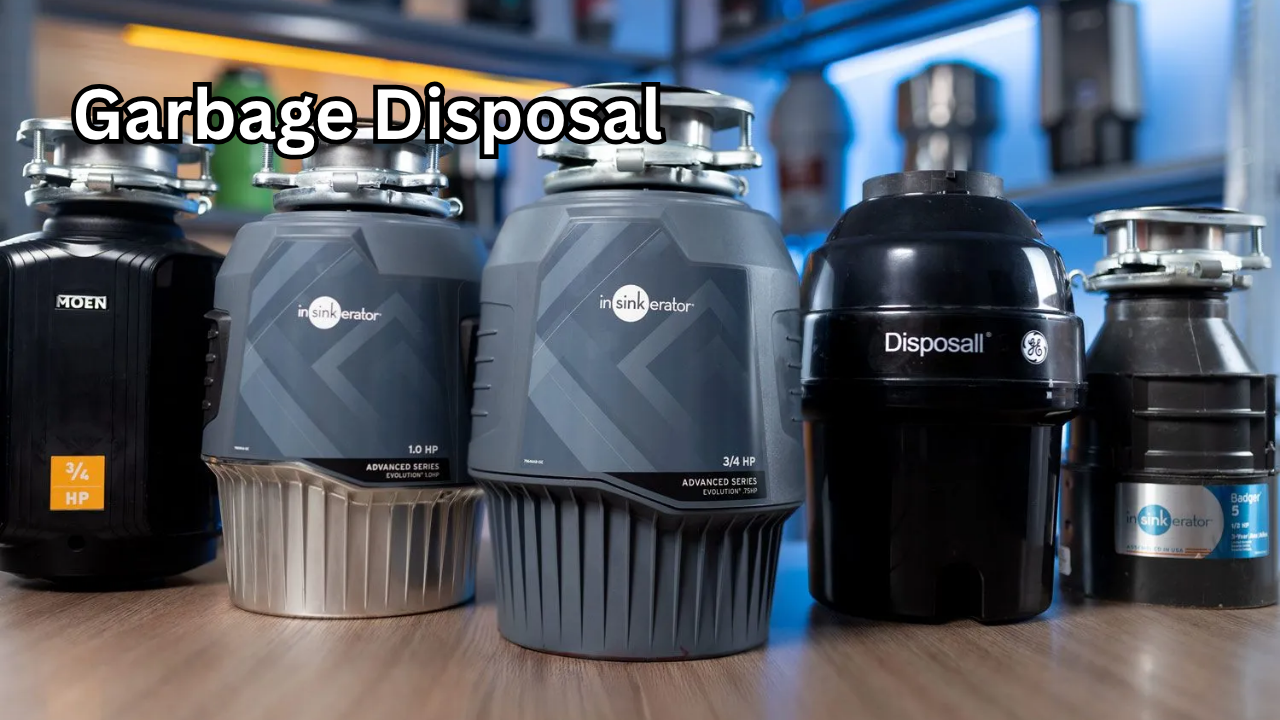
What Is a Garbage Disposal and Why It Matters
A garbage disposal is a compact but powerful device installed under your kitchen sink that shreds food waste into tiny particles, allowing it to pass safely through your plumbing system. While it may seem like a simple appliance, it plays a crucial role in maintaining a clean, efficient, and odor-free kitchen environment.
In modern households, managing kitchen waste efficiently is more important than ever. Without a garbage disposal, food scraps often end up in trash bins, leading to unpleasant smells, bacterial growth, and even pest problems. A garbage disposal offers a cleaner, more convenient solution that saves time and reduces environmental impact.
How a Garbage Disposal Works
Understanding how a garbage disposal functions can help you use it more effectively and avoid common mistakes. When you turn on the unit, an electric motor spins an internal plate called an impeller. This plate forces food waste against a grinding ring, breaking it down into fine particles.
Contrary to popular belief, garbage disposals do not have sharp blades. Instead, they rely on grinding mechanisms that pulverize food waste. Once ground, the particles are flushed away through your plumbing system with the help of running water.
Types of Garbage Disposals
Choosing the right garbage disposal depends on your household needs. There are two main types available:
Continuous Feed Garbage Disposal
This is the most common type found in homes. It operates continuously as long as the switch is turned on. You can add food waste while it’s running, making it convenient for busy kitchens.
Batch Feed Garbage Disposal
Batch feed models are designed for added safety. They only operate when a special lid is securely placed over the drain. This type is ideal for households with children or for those who prioritize safety over convenience.
Key Benefits of Installing a Garbage Disposal
Installing a garbage disposal comes with multiple advantages that go beyond convenience.
Improved Kitchen Hygiene
By instantly grinding food waste, garbage disposals reduce the amount of organic material sitting in your trash. This helps prevent unpleasant odors and keeps your kitchen cleaner.
Environmental Benefits
Garbage disposals can contribute to sustainability by reducing the amount of food waste sent to landfills. In many areas, processed food waste is treated and converted into energy or fertilizer.
Time-Saving Convenience
Instead of scraping plates into the trash, you can simply rinse food scraps down the sink. This saves time and makes cleanup easier after meals.
Reduced Plumbing Issues
When used correctly, a garbage disposal can help prevent clogged drains by breaking down food waste into manageable particles.
How to Choose the Best Garbage Disposal
Selecting the right garbage disposal requires careful consideration of several factors.
Motor Power
Garbage disposals come with different horsepower ratings, typically ranging from 1/3 HP to 1 HP. For small households, a lower-powered unit may suffice. Larger families or frequent cooks should consider more powerful models for better performance.
Noise Level
Some garbage disposals can be quite noisy. Premium models often include sound insulation features that reduce operational noise, making them ideal for open-concept kitchens.
Durability and Build Quality
Look for units made from stainless steel components, as they are more resistant to corrosion and wear over time.
Installation Compatibility
Ensure that the disposal unit is compatible with your existing plumbing and sink setup. Some models are easier to install than others, especially for DIY enthusiasts.
Proper Use of a Garbage Disposal
Using your garbage disposal correctly can extend its lifespan and prevent costly repairs.
Always Use Cold Water
Run cold water before, during, and after using the disposal. Cold water helps solidify grease, allowing it to be ground and flushed away more effectively.
Feed Waste Gradually
Avoid overloading the disposal. Add food waste in small amounts to ensure efficient grinding and prevent jams.
Avoid Non-Food Items
Never put non-food items like plastic, metal, or glass into the disposal. These can damage the internal components and lead to breakdowns.
What You Should Never Put in a Garbage Disposal
Not all food waste is suitable for garbage disposals. Some items can cause clogs or damage.
Grease and Oil
Grease may seem harmless when liquid, but it solidifies in pipes, leading to blockages over time.
Fibrous Vegetables
Items like celery, corn husks, and onion skins can wrap around the grinding components and cause jams.
Hard Materials
Bones, fruit pits, and shells can be too tough for standard disposals and may damage the motor.
Starchy Foods
Pasta, rice, and potatoes can expand and create a thick paste that clogs drains.
Maintenance Tips for Long-Term Performance
Regular maintenance is essential to keep your garbage disposal running smoothly.
Clean It Regularly
To eliminate odors, clean your disposal with a mixture of baking soda and vinegar. Let it sit for a few minutes before rinsing with hot water.
Use Ice Cubes
Grinding ice cubes helps remove buildup from the grinding chamber and keeps the blades clean.
Add Citrus Peels
Lemon or orange peels can freshen up your disposal and leave a pleasant scent.
Inspect for Leaks
Periodically check for leaks under the sink and ensure all connections are secure.
Common Garbage Disposal Problems and Solutions
Even with proper care, issues can arise. Here are some common problems and how to fix them.
Jammed Disposal
If your disposal stops working, it may be jammed. Turn off the power and use a hex key to manually rotate the motor from underneath.
Slow Draining
This is often caused by a partial clog. Try flushing the system with hot water and a mild cleaner.
Strange Noises
Unusual sounds may indicate foreign objects inside the unit. Turn off the disposal immediately and inspect it carefully.
Foul Odors
Persistent smells can result from trapped food particles. A thorough cleaning usually resolves this issue.
Installation: DIY or Professional?
Installing a garbage disposal can be a manageable DIY project for those with basic plumbing skills. Most units come with detailed instructions and mounting systems designed for easy setup.
However, if you are unfamiliar with plumbing or electrical connections, hiring a professional is the safer option. Proper installation ensures optimal performance and reduces the risk of leaks or electrical issues.
Cost of a Garbage Disposal
The cost of a garbage disposal varies depending on its features and power.
Basic models are affordable and suitable for light use, while high-end units with advanced features like noise reduction and higher horsepower come at a premium price. Additionally, installation costs should be considered if you choose professional services.
Environmental Impact of Garbage Disposals
While garbage disposals offer convenience, their environmental impact depends on how they are used. In areas with advanced wastewater treatment systems, food waste can be converted into renewable energy or fertilizers.
However, excessive use can strain water resources. To minimize environmental impact, use your disposal responsibly and avoid wasting water.
Garbage Disposal vs. Composting
Some homeowners wonder whether a garbage disposal or composting is the better option. The truth is, both have their advantages.
Garbage disposals are ideal for convenience and quick cleanup, while composting is better for reducing environmental impact and creating nutrient-rich soil. Many households benefit from using both methods together.
Future Trends in Garbage Disposal Technology
Modern garbage disposals are becoming more advanced with features like smart sensors, improved grinding systems, and enhanced energy efficiency.
Manufacturers are also focusing on quieter operation and eco-friendly designs, making these appliances more appealing to environmentally conscious consumers.
Final Thoughts on Garbage Disposal
A garbage disposal is more than just a kitchen convenience—it’s an essential tool for maintaining cleanliness, efficiency, and sustainability in your home. By choosing the right unit, using it properly, and performing regular maintenance, you can enjoy its benefits for years to come.
Whether you’re upgrading your kitchen or installing one for the first time, understanding how garbage disposals work and how to care for them will help you make the most of this valuable appliance.
Also Read: Whosvalora: The Complete Guide to Understanding What It Is and Why It Matters