
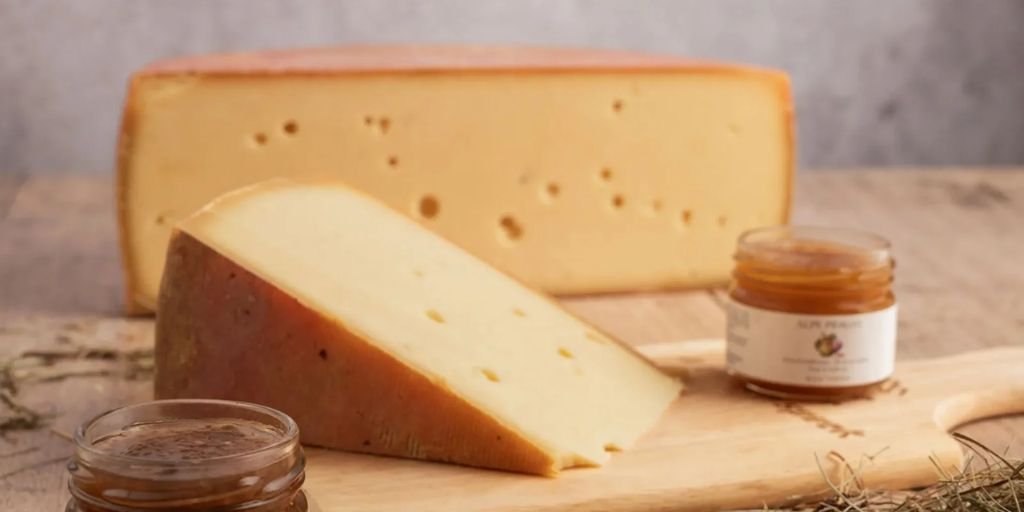
Grouse Cheese
Grouse Cheese: Everything You Need to Know About This Unique Cheese Variety
Cheese lovers are always searching for new and exciting flavors to add to their culinary experiences. One term that has recently sparked curiosity is
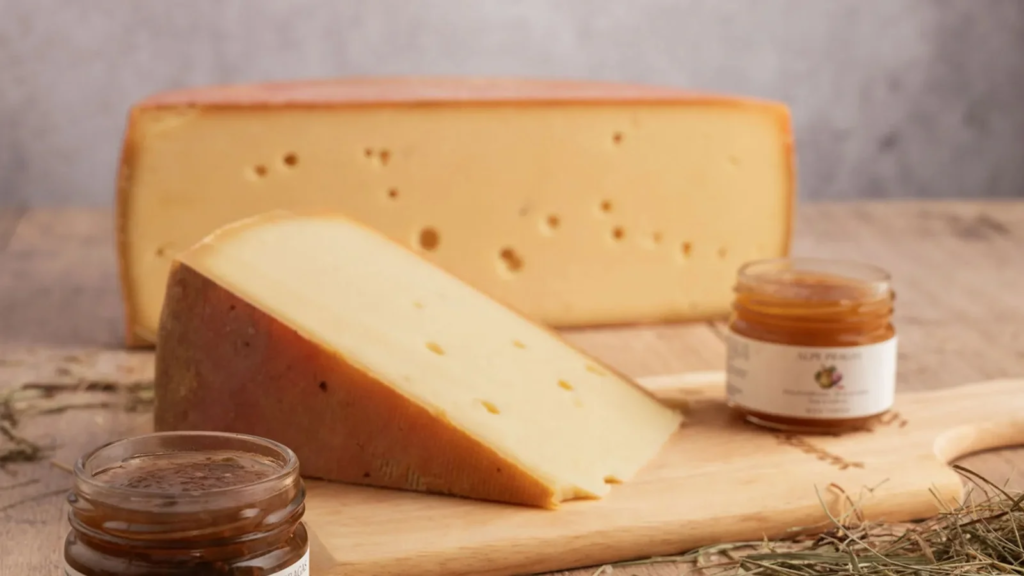
. Whether you have come across the phrase online, heard it mentioned in food discussions, or are simply interested in unique cheeses, understanding grouse cheese can be fascinating.
In this article, we will explore what grouse cheese is, its characteristics, possible origins, flavor profile, uses, nutritional value, and how it compares with other popular cheeses. By the end, you will have a clear understanding of why grouse cheese has become a topic of interest among food enthusiasts.
What Is Grouse Cheese?
Grouse cheese is a term that has generated interest among food lovers and curious consumers. While it is not as widely recognized as cheddar, mozzarella, or brie, the phrase is often associated with specialty cheese discussions and unique culinary products.
Depending on the context, grouse cheese may refer to a regional or artisan cheese variety that is produced in small batches. Specialty cheeses often gain attention because of their distinct flavors, production methods, and limited availability.
Many artisan cheeses are named after local traditions, regions, or ingredients, making them highly sought after by food enthusiasts looking for something different.
Characteristics of Grouse Cheese
Like many specialty cheeses, grouse cheese is often appreciated for its unique qualities. While specific characteristics may vary depending on the producer, some commonly associated features include:
- Rich and creamy texture
- Distinctive aroma
- Complex flavor profile
- Artisan production methods
- Limited availability
These qualities make specialty cheeses attractive to consumers who enjoy exploring gourmet foods.
Flavor Profile of Grouse Cheese
One of the most important aspects of any cheese is its flavor. Grouse cheese is often described as offering a balance of richness and depth.
The flavor may include notes such as:
- Mild nuttiness
- Earthy undertones
- Creamy finish
- Slight tanginess
- Savory complexity
These characteristics can make it suitable for a wide range of culinary applications.
Factors That Influence Flavor
Several factors can affect the taste of grouse cheese:
- Type of milk used
- Aging process
- Production techniques
- Environmental conditions
- Storage methods
Artisan cheesemakers often focus on these details to create a product with a distinctive identity.
How Grouse Cheese Is Made
The production process for specialty cheeses generally follows traditional cheesemaking methods.
The basic steps include:
| Production Stage | Description |
|---|---|
| Milk Collection | Fresh milk is sourced from dairy animals. |
| Pasteurization | Milk may be pasteurized for safety. |
| Culturing | Beneficial bacteria are added. |
| Coagulation | Rennet is used to form curds. |
| Draining | Whey is separated from curds. |
| Pressing | Cheese is shaped and compacted. |
| Aging | Cheese develops flavor and texture over time. |
The aging period can significantly influence the final taste and texture of the cheese.
Nutritional Value of Grouse Cheese
Like many cheeses, grouse cheese can provide valuable nutrients when consumed in moderation.
Some common nutrients found in cheese include:
- Protein
- Calcium
- Phosphorus
- Vitamin B12
- Vitamin A
- Healthy fats
These nutrients support bone health, muscle function, and overall wellness.
Approximate Nutritional Benefits
A typical serving of cheese may provide:
- High-quality protein
- Essential minerals
- Energy from fats
- Important vitamins
However, nutritional values vary depending on the specific cheese variety and production method.
Best Ways to Enjoy Grouse Cheese
One reason people love specialty cheeses is their versatility. Grouse cheese can potentially be enjoyed in several ways.
Cheese Boards
A cheese board is one of the most popular serving methods.
Pair grouse cheese with:
- Fresh fruits
- Dried fruits
- Crackers
- Nuts
- Honey
These pairings help enhance the cheese’s flavor and create a balanced tasting experience.
Sandwiches and Wraps
Adding grouse cheese to sandwiches can provide extra richness and depth. It pairs well with roasted vegetables, turkey, chicken, and artisan breads.
Salads
Crumbled or sliced cheese can elevate a simple salad. Its creamy texture can complement leafy greens and fresh vegetables.
Pasta Dishes
Many specialty cheeses melt beautifully into pasta sauces, creating rich and flavorful meals.
Grouse Cheese vs. Popular Cheese Varieties
Understanding how grouse cheese compares with well-known cheeses can help consumers make informed choices.
| Cheese Type | Texture | Flavor | Popular Use |
| Grouse Cheese | Creamy to semi-firm | Rich and complex | Gourmet dishes |
| Cheddar | Firm | Sharp and tangy | Sandwiches |
| Mozzarella | Soft | Mild | Pizza |
| Brie | Soft and creamy | Buttery | Cheese boards |
| Gouda | Semi-hard | Sweet and nutty | Snacking |
Each cheese offers a unique culinary experience, making them suitable for different occasions.
Why Specialty Cheeses Are Growing in Popularity
The demand for artisan and specialty cheeses continues to increase worldwide.
Several factors contribute to this trend:
- Interest in gourmet foods
- Appreciation for traditional craftsmanship
- Desire for unique flavors
- Growth of food tourism
- Expansion of artisan food markets
Consumers today are often willing to explore products beyond mainstream grocery options.
How to Store Grouse Cheese Properly
Proper storage is essential for maintaining freshness and flavor.
Follow these tips:
- Wrap cheese in wax paper or cheese paper.
- Store it in the refrigerator.
- Avoid airtight plastic wrapping when possible.
- Keep it away from strong-smelling foods.
- Consume within the recommended period.
Good storage practices help preserve texture, aroma, and overall quality.
Choosing High-Quality Grouse Cheese
When purchasing specialty cheese, consider the following:
- Fresh appearance
- Pleasant aroma
- Reliable producer
- Proper packaging
- Clear labeling
Buying from reputable cheese shops or artisan producers can improve the chances of finding a high-quality product.
Frequently Asked Questions
What is grouse cheese?
Grouse cheese is generally considered a specialty or artisan-style cheese associated with unique flavor profiles and small-scale production. Its exact characteristics may vary depending on the producer.
What does grouse cheese taste like?
It is often described as creamy, rich, slightly nutty, and savory, with a balanced and complex flavor profile.
Is grouse cheese healthy?
Like many cheeses, it can be a good source of protein, calcium, and essential vitamins when consumed in moderation.
How should grouse cheese be served?
It can be served on cheese boards, in sandwiches, salads, pasta dishes, or as part of gourmet recipes.
Can grouse cheese be aged?
Yes, many specialty cheeses can be aged to develop deeper flavors and more complex textures.
Where can I buy grouse cheese?
Availability depends on your location. Specialty cheese shops, gourmet food markets, and artisan producers are often the best places to look.
Final Thoughts
Grouse cheese is an intriguing topic for cheese enthusiasts who enjoy exploring specialty and artisan food products. Its rich flavor, versatile uses, and gourmet appeal make it an interesting addition to the world of cheese. Whether enjoyed on a cheese board, incorporated into recipes, or paired with complementary foods, grouse cheese offers a unique tasting experience that can appeal to both casual consumers and dedicated food lovers.
As interest in artisan foods continues to grow, specialty cheeses like grouse cheese are likely to attract even more attention from people seeking authentic flavors and memorable culinary experiences
One of the most important aspects of any cheese is its flavor. Grouse cheese is often described as offering a balance of richness and depth.
The flavor may include notes such as:
- Mild nuttiness
- Earthy undertones
- Creamy finish
- Slight tanginess
- Savory complexity
These characteristics can make it suitable for a wide range of culinary applications.
Factors That Influence Flavor
Several factors can affect the taste of grouse cheese:
- Type of milk used
- Aging process
- Production techniques
- Environmental conditions
- Storage methods
Artisan cheesemakers often focus on these details to create a product with a distinctive identity.
How Grouse Cheese Is Made
The production process for specialty cheeses generally follows traditional cheesemaking methods.
The basic steps include:
| Production Stage | Description |
|---|---|
| Milk Collection | Fresh milk is sourced from dairy animals. |
| Pasteurization | Milk may be pasteurized for safety. |
| Culturing | Beneficial bacteria are added. |
| Coagulation | Rennet is used to form curds. |
| Draining | Whey is separated from curds. |
| Pressing | Cheese is shaped and compacted. |
| Aging | Cheese develops flavor and texture over time. |
The aging period can significantly influence the final taste and texture of the cheese.
Nutritional Value of Grouse Cheese
Like many cheeses, grouse cheese can provide valuable nutrients when consumed in moderation.
Some common nutrients found in cheese include:
- Protein
- Calcium
- Phosphorus
- Vitamin B12
- Vitamin A
- Healthy fats
These nutrients support bone health, muscle function, and overall wellness.
Approximate Nutritional Benefits
A typical serving of cheese may provide:
- High-quality protein
- Essential minerals
- Energy from fats
- Important vitamins
However, nutritional values vary depending on the specific cheese variety and production method.
Best Ways to Enjoy Grouse Cheese
One reason people love specialty cheeses is their versatility. Grouse cheese can potentially be enjoyed in several ways.
Cheese Boards
A cheese board is one of the most popular serving methods.
Pair grouse cheese with:
- Fresh fruits
- Dried fruits
- Crackers
- Nuts
- Honey
These pairings help enhance the cheese’s flavor and create a balanced tasting experience.
Sandwiches and Wraps
Adding grouse cheese to sandwiches can provide extra richness and depth. It pairs well with roasted vegetables, turkey, chicken, and artisan breads.
Salads
Crumbled or sliced cheese can elevate a simple salad. Its creamy texture can complement leafy greens and fresh vegetables.
Pasta Dishes
Many specialty cheeses melt beautifully into pasta sauces, creating rich and flavorful meals.
Grouse Cheese vs. Popular Cheese Varieties
Understanding how grouse cheese compares with well-known cheeses can help consumers make informed choices.
| Cheese Type | Texture | Flavor | Popular Use |
| Grouse Cheese | Creamy to semi-firm | Rich and complex | Gourmet dishes |
| Cheddar | Firm | Sharp and tangy | Sandwiches |
| Mozzarella | Soft | Mild | Pizza |
| Brie | Soft and creamy | Buttery | Cheese boards |
| Gouda | Semi-hard | Sweet and nutty | Snacking |
Each cheese offers a unique culinary experience, making them suitable for different occasions.
Why Specialty Cheeses Are Growing in Popularity
The demand for artisan and specialty cheeses continues to increase worldwide.
Several factors contribute to this trend:
- Interest in gourmet foods
- Appreciation for traditional craftsmanship
- Desire for unique flavors
- Growth of food tourism
- Expansion of artisan food markets
Consumers today are often willing to explore products beyond mainstream grocery options.
How to Store Grouse Cheese Properly
Proper storage is essential for maintaining freshness and flavor.
Follow these tips:
- Wrap cheese in wax paper or cheese paper.
- Store it in the refrigerator.
- Avoid airtight plastic wrapping when possible.
- Keep it away from strong-smelling foods.
- Consume within the recommended period.
Good storage practices help preserve texture, aroma, and overall quality.
Choosing High-Quality Grouse Cheese
When purchasing specialty cheese, consider the following:
- Fresh appearance
- Pleasant aroma
- Reliable producer
- Proper packaging
- Clear labeling
Buying from reputable cheese shops or artisan producers can improve the chances of finding a high-quality product.
Frequently Asked Questions
What is grouse cheese?
Grouse cheese is generally considered a specialty or artisan-style cheese associated with unique flavor profiles and small-scale production. Its exact characteristics may vary depending on the producer.
What does grouse cheese taste like?
It is often described as creamy, rich, slightly nutty, and savory, with a balanced and complex flavor profile.
Is grouse cheese healthy?
Like many cheeses, it can be a good source of protein, calcium, and essential vitamins when consumed in moderation.
How should grouse cheese be served?
It can be served on cheese boards, in sandwiches, salads, pasta dishes, or as part of gourmet recipes.
Can grouse cheese be aged?
Yes, many specialty cheeses can be aged to develop deeper flavors and more complex textures.
Where can I buy grouse cheese?
Availability depends on your location. Specialty cheese shops, gourmet food markets, and artisan producers are often the best places to look.
Final Thoughts
Grouse cheese is an intriguing topic for cheese enthusiasts who enjoy exploring specialty and artisan food products. Its rich flavor, versatile uses, and gourmet appeal make it an interesting addition to the world of cheese. Whether enjoyed on a cheese board, incorporated into recipes, or paired with complementary foods, grouse cheese offers a unique tasting experience that can appeal to both casual consumers and dedicated food lovers.
As interest in artisan foods continues to grow, specialty cheeses like grouse cheese are likely to attract even more attention from people seeking authentic flavors and memorable culinary experiences