What Is a Blower Motor?
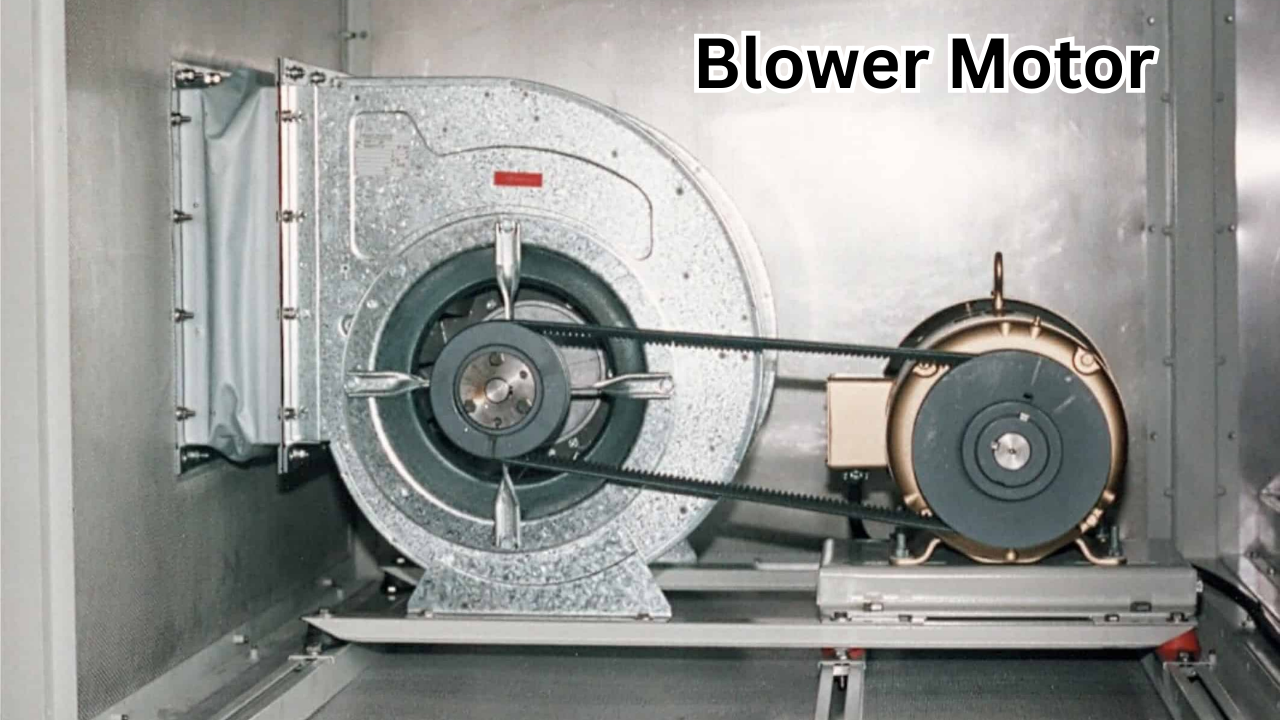
A blower motor is a critical mechanical and electrical component used in vehicles and HVAC systems to circulate air. In cars, the blower motor pushes air through the heating, ventilation, and air conditioning system, allowing warm or cool air to flow inside the cabin. In residential and commercial HVAC units, the blower motor moves conditioned air through ductwork and vents to maintain indoor comfort.
Without a properly functioning blower motor, air circulation becomes weak or stops entirely, making climate control ineffective. Because it operates frequently and under varying loads, the blower motor is subject to wear and tear over time, which makes understanding its function and maintenance essential.
How a Blower Motor Works
The blower motor operates by converting electrical energy into mechanical motion. When power is supplied, the motor spins a fan or squirrel-cage wheel. This spinning action pulls air in and forces it through vents or ducts.
In vehicles, the blower motor speed is controlled by a resistor or an electronic control module. Older systems use resistors to regulate voltage, while modern systems rely on digital climate control modules for precise airflow management. In HVAC systems, the blower motor may operate at single speed, multi-speed, or variable speed depending on system design.
Efficient airflow from the blower motor ensures even temperature distribution, improved air quality, and optimal system performance, which is why this component is a core part of both automotive and indoor climate systems.
Types of Blower Motors
There are several types of blower motors, each designed for specific performance and efficiency requirements.
Single-speed blower motors operate at one fixed speed. They are simple and affordable but less energy-efficient.
Multi-speed blower motors offer multiple airflow settings, allowing better comfort control and moderate energy savings.
Variable-speed blower motors are the most advanced. They automatically adjust speed based on system demand, improving efficiency, reducing noise, and enhancing comfort. These motors are common in modern HVAC systems and premium vehicles.
Understanding the type of blower motor used in your system helps when diagnosing problems or planning a replacement.
Common Blower Motor Problems
Blower motors are durable, but they can develop issues over time. One common problem is reduced airflow, which often indicates a failing motor or a clogged air filter putting extra strain on it.
Unusual noises such as squealing, grinding, or rattling usually point to worn bearings, debris inside the fan, or motor imbalance. Another frequent issue is intermittent operation, where the blower works only on certain speeds. This is often caused by a faulty resistor or control module rather than the motor itself.
Complete failure, where no air comes out at any setting, may indicate a burned-out blower motor, blown fuse, or electrical wiring problem. Early diagnosis can prevent further damage to related components.

Symptoms of a Failing Blower Motor
Recognizing the symptoms of a failing blower motor can save time and repair costs. Weak airflow from vents, even when the fan is set to high, is a strong warning sign.
Another symptom is airflow that only works at one speed, usually the highest. This often means the resistor is failing, but prolonged use in this condition can damage the blower motor as well.
Burning smells coming from vents suggest overheating or electrical issues within the motor. If left unaddressed, this can lead to complete system failure.
Inconsistent airflow or sudden shutdowns during operation are also signs that the blower motor may be nearing the end of its lifespan.
Blower Motor vs Blower Motor Resistor
Many people confuse the blower motor with the blower motor resistor, but they serve different roles. The blower motor is responsible for physically moving air, while the resistor controls the motor’s speed.
If the blower works only on one speed, the resistor is usually the problem. If the blower does not work at all, the motor itself may be faulty. Understanding this difference helps in accurate troubleshooting and avoids unnecessary part replacements.
Modern systems may use electronic control modules instead of traditional resistors, but the principle remains the same—controlling airflow intensity.
Importance of a Properly Working Blower Motor
A properly functioning blower motor ensures comfort, safety, and efficiency. In vehicles, it maintains clear visibility by defogging windshields and regulates cabin temperature in extreme weather.
In HVAC systems, the blower motor ensures consistent airflow, balanced temperatures, and proper humidity control. It also plays a role in indoor air quality by pushing air through filters that trap dust and allergens.
A weak or failing blower motor forces the system to work harder, increasing energy consumption and shortening the lifespan of other components. From an efficiency and cost perspective, maintaining this part is crucial.
How to Test a Blower Motor
Testing a blower motor typically involves checking electrical connections, fuses, and voltage supply. A multimeter can be used to confirm whether power is reaching the motor.
If power is present but the motor does not spin, the motor is likely defective. In some cases, manually spinning the fan can reveal stiffness or grinding, indicating mechanical failure.
Professional technicians may also test amperage draw to see if the motor is working harder than normal, which is a sign of internal wear.
Blower Motor Replacement Process
Replacing a blower motor varies depending on the system. In vehicles, it is often located behind the glove box or under the dashboard. In HVAC systems, it may be inside the air handler or furnace unit.
The general process involves disconnecting power, removing mounting bolts, unplugging electrical connectors, and installing the new motor. Care must be taken to ensure the fan wheel is properly aligned and secured.
Using a high-quality replacement blower motor is essential for long-term reliability. Cheap or incompatible motors may cause noise, vibration, or premature failure.
Cost of Blower Motor Replacement
The cost of blower motor replacement depends on the type of system and motor. Automotive blower motors are generally more affordable, while HVAC blower motors, especially variable-speed models, can be more expensive.
Labor costs also vary based on accessibility. While some replacements are straightforward, others require significant disassembly, increasing labor time.
Investing in a durable motor can reduce future repair costs and improve overall system efficiency, making it a worthwhile expense.
Tips to Extend Blower Motor Life
Regular maintenance is the key to extending blower motor life. Replacing air filters on schedule prevents dust buildup and reduces strain on the motor.
Keeping vents and ducts clean ensures smooth airflow, allowing the blower motor to operate efficiently. Listening for unusual noises and addressing them early can prevent major failures.
Avoid running the system continuously at maximum speed unless necessary, as this accelerates wear. Proper electrical protection, such as functioning fuses and stable voltage supply, also plays a role in motor longevity.

Choosing the Right Blower Motor
When selecting a replacement blower motor, compatibility is crucial. The motor must match the system’s voltage, speed, and mounting requirements.
Energy-efficient motors may have a higher upfront cost but provide long-term savings through reduced power consumption. Trusted brands and certified components ensure better performance and reliability.
For SEO-driven buyers researching online, using well-structured product descriptions with corpus 5 and corpus 6 optimization helps improve visibility and conversion rates.
Final Thoughts on Blower Motors
The blower motor is a small but powerful component that plays a massive role in comfort and system efficiency. Whether in a vehicle or an HVAC system, its performance directly affects airflow, temperature control, and energy use.
Understanding how a blower motor works, recognizing early warning signs, and performing timely maintenance can prevent costly repairs. When replacement becomes necessary, choosing the right motor ensures smooth operation and long-term reliability.
From an SEO perspective, high-quality, informative content about blower motors builds trust, drives organic traffic, and positions your website as an authoritative resource in the tech and mechanical niche.
Also Read: Austin Texas UFO Sightings: Unexplained Encounters, Witness Reports, and Ongoing Mysteries