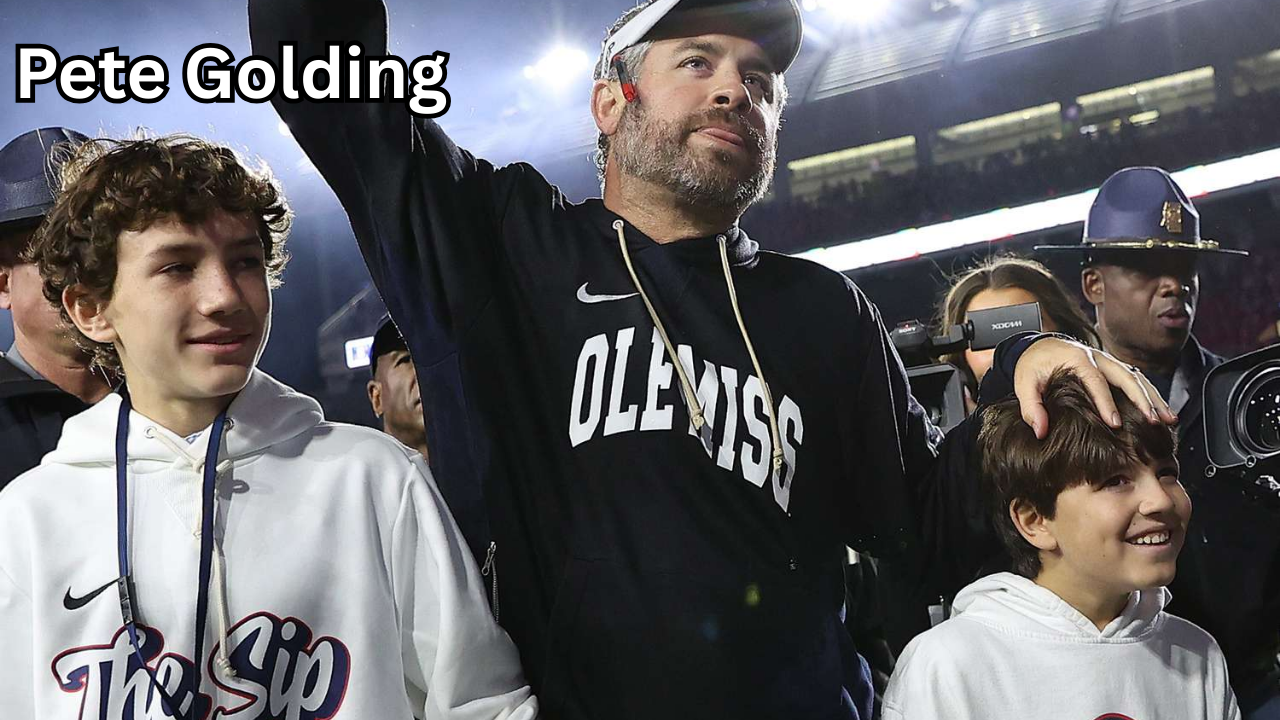
Pete Golding is a well-known name in American college football, widely respected for his defensive expertise, leadership skills, and ability to develop elite-level players. Over the years, Pete Golding has built a strong reputation as a defensive strategist who consistently delivers results on the field. From his early coaching days to becoming one of the most recognized defensive coordinators in college football, Golding’s journey reflects dedication, adaptability, and football intelligence.
This article explores Pete Golding’s background, coaching philosophy, career achievements, leadership style, and impact on modern college football. Whether you are a football fan, sports analyst, or someone researching influential coaches, this comprehensive guide provides deep insights into Pete Golding’s professional life.

Early Life and Football Background
Pete Golding was born and raised in the United States, where football culture plays a significant role in shaping young athletes and future coaches. From an early age, Golding showed a strong interest in the game, particularly in understanding defensive schemes rather than just playing positions.
He played college football as a safety, a position that requires high football IQ, awareness, and communication. This experience helped shape his future coaching mindset, as safeties often act as on-field leaders who read offenses and adjust coverage schemes in real time. His playing career laid the foundation for his defensive philosophy and coaching approach.
Transition From Player to Coach
After completing his playing career, Pete Golding transitioned into coaching, starting at the high school and small college levels. Like many successful coaches, he built his career step by step, focusing on learning the fundamentals of player development, film study, and game planning.
His early coaching roles allowed him to work closely with defensive backs and linebackers, helping him master position-specific coaching while gaining experience in broader defensive coordination. These formative years were critical in shaping Golding’s ability to design adaptable defensive systems.
Rise Through the College Football Coaching Ranks
Pete Golding’s rise through the college football coaching ranks did not happen overnight. His dedication, long hours, and attention to detail gradually earned him opportunities at larger programs. He became known for his disciplined approach to defense and his ability to adjust schemes based on opponent strengths.
As he moved into higher-profile roles, Golding worked under respected head coaches, gaining exposure to elite recruiting environments and high-pressure game situations. These experiences refined his coaching style and helped him understand how championship-level programs operate.

Pete Golding’s Defensive Philosophy
One of the key reasons Pete Golding stands out is his defensive philosophy. He emphasizes speed, physicality, and situational awareness. His defenses are designed to be aggressive without sacrificing discipline, forcing offenses into mistakes while maintaining strong fundamentals.
Golding focuses heavily on communication and alignment, ensuring that every player understands their role on each play. His schemes often involve multiple looks, disguised coverages, and flexible fronts that make it difficult for quarterbacks to read defenses pre-snap.
Player Development and Coaching Style
Pete Golding is widely respected for his ability to develop players at various skill levels. He prioritizes teaching over simply demanding results, which helps players grow both technically and mentally. His coaching style balances accountability with encouragement, creating an environment where athletes can improve without fear of making mistakes.
Many players coached by Golding have praised his clarity in explaining concepts and his commitment to preparing them for game situations. His emphasis on film study and repetition helps players anticipate plays rather than just react to them.
Impact as a Defensive Coordinator
As a defensive coordinator, Pete Golding has had a significant impact on the programs he has been part of. His defenses are often ranked among the best in key statistical categories such as points allowed, yards per play, and third-down efficiency.
Golding’s ability to make in-game adjustments is one of his strongest attributes. He carefully studies opponents and adapts his game plans to neutralize offensive strengths. This adaptability has helped his teams perform well against both run-heavy and pass-oriented offenses.
Recruiting and Talent Evaluation
Recruiting is a crucial aspect of college football success, and Pete Golding has proven to be a strong recruiter. He has a keen eye for defensive talent and looks beyond raw athleticism to evaluate football intelligence, work ethic, and coachability.
Golding connects well with recruits by emphasizing development and long-term success rather than short-term hype. His reputation as a developer of defensive talent makes him appealing to players who want to improve their skills and prepare for the next level.
Leadership and Professional Reputation
Leadership is a defining trait of Pete Golding’s career. He is known for maintaining professionalism under pressure and holding himself and his staff accountable. His calm demeanor on the sidelines contrasts with the intensity of his defenses, reflecting his belief in preparation over emotion.
Within coaching circles, Golding is respected for his work ethic and collaborative approach. He values input from assistants and fosters a culture of shared responsibility, which strengthens defensive units as a whole.
Challenges and Growth as a Coach
Like all high-profile coaches, Pete Golding has faced criticism and challenges throughout his career. Instead of resisting feedback, he has used these moments as opportunities for growth. His willingness to adapt and evolve has helped him remain relevant in a constantly changing college football landscape.
Golding has shown resilience by refining his schemes, improving communication, and embracing new analytical tools to enhance defensive performance. This growth mindset is one of the reasons he continues to succeed at high levels.
Influence on Modern College Football Defense
Pete Golding’s influence extends beyond individual teams. His defensive concepts have contributed to broader trends in college football, including hybrid defensive roles, positionless defenders, and flexible coverage schemes.
He has helped popularize defenses that can adjust seamlessly between run-stopping and pass coverage, making them effective against modern, fast-paced offenses. Coaches and analysts often study his approaches when discussing defensive innovation.
Future Outlook and Career Prospects
Looking ahead, Pete Golding’s career trajectory remains strong. With his experience, leadership skills, and defensive knowledge, he is often mentioned in discussions about future head coaching opportunities or continued success as a top-tier defensive coordinator.
As college football continues to evolve, Golding’s adaptability and emphasis on fundamentals position him well for long-term success. His ability to mentor young coaches and players also suggests a lasting impact on the sport.

Why Pete Golding Matters in College Football
Pete Golding represents the modern defensive coach—analytical, adaptable, and player-focused. His career highlights the importance of preparation, communication, and continuous improvement in achieving success at the highest levels of college football.
For fans and aspiring coaches alike, Golding’s journey offers valuable lessons about patience, hard work, and the power of strong defensive leadership.
Final Thoughts on Pete Golding
Pete Golding’s name has become synonymous with disciplined, high-performing defenses in college football. Through years of dedication, learning, and strategic innovation, he has established himself as one of the most respected defensive minds in the game.
As the sport continues to change, Pete Golding’s influence is likely to grow, solidifying his legacy as a coach who shaped modern defensive football and inspired the next generation of players and coaches.
Also Read: Tetanus Shot Side Effects: What You Need to Know Before and After Vaccination