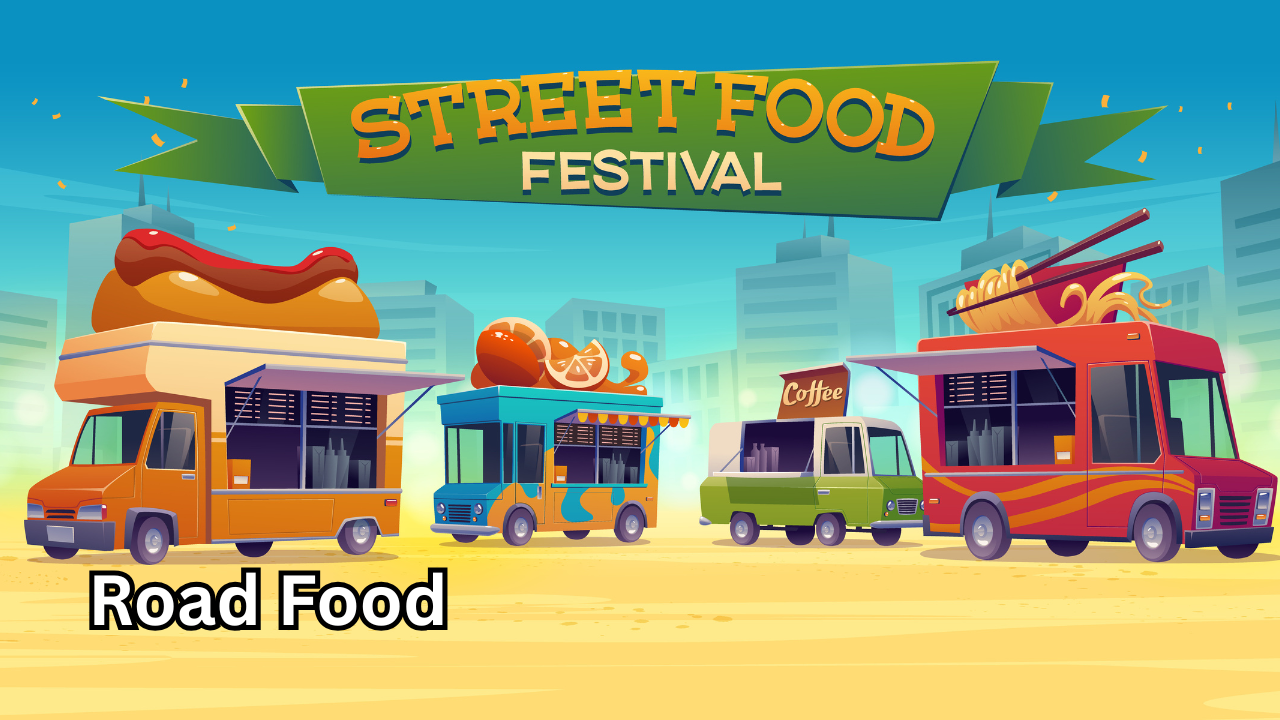
Road food is more than just a quick bite on the go—it is a vibrant cultural expression, a reflection of local traditions, and a global phenomenon that brings people together through taste. From bustling city streets to quiet roadside stalls, road food captures the authentic essence of regional cuisine in its purest form. Loved by locals and travelers alike, road food delivers bold flavors, affordability, and unforgettable experiences that fine dining often cannot match.
In recent years, the popularity of road food has exploded due to food tourism, social media, and a growing appreciation for authentic, handmade meals. This article explores everything you need to know about road food, its cultural importance, global varieties, benefits, safety tips, and why it continues to dominate the culinary world.
What Is Road Food and Why It Is So Popular
Road food refers to freshly prepared food sold by vendors on streets, roadsides, food carts, and small stalls. These meals are typically made using traditional recipes passed down through generations and are designed to be eaten quickly without formal seating.
The popularity of road food lies in its accessibility and authenticity. It offers real flavors at affordable prices while allowing people to experience local culture firsthand. Road food is not just about eating—it is about connection, atmosphere, and community.
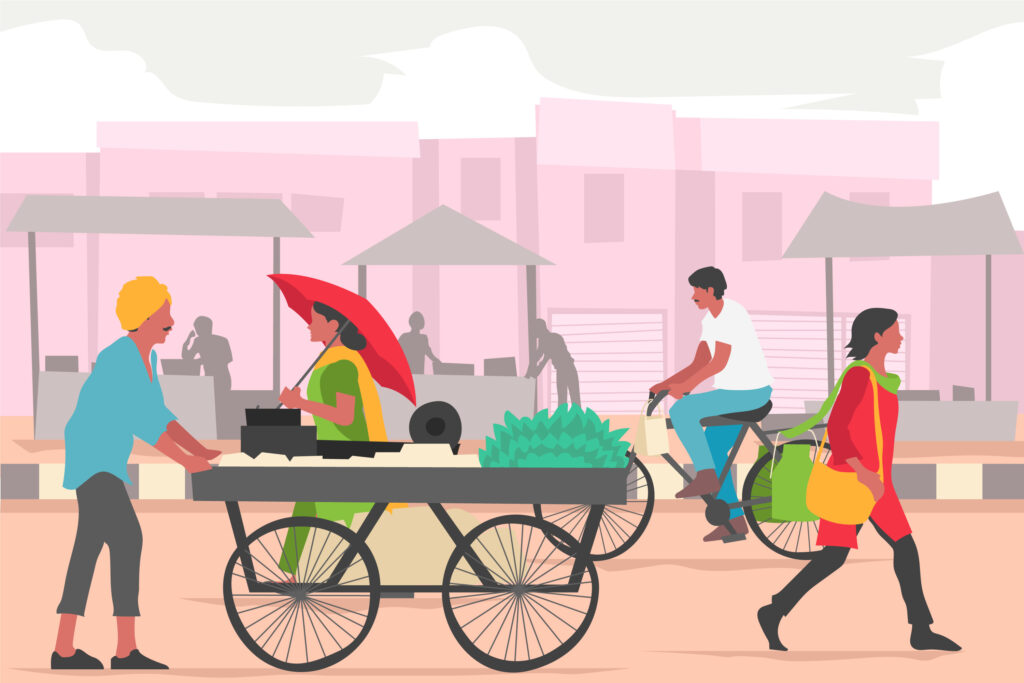
The Cultural Importance of Road Food
Road food plays a vital role in preserving culinary heritage. Many traditional recipes survive today because street vendors continue to prepare them daily using time-honored techniques. In many countries, road food represents family businesses, regional pride, and cultural identity.
Festivals, celebrations, and everyday life often revolve around road food stalls. They serve as social hubs where people from different backgrounds gather, share stories, and enjoy simple yet flavorful meals together.
Road Food Around the World
Every country has its own unique road food culture shaped by geography, climate, and history.
In Asia, road food is deeply rooted in daily life. From spicy noodles and dumplings to grilled meats and rice dishes, Asian road food is known for its variety and intense flavors.
In the Middle East, road food highlights rich spices, slow-cooked meats, and fresh bread. Popular options include wraps, skewers, and savory pastries that reflect centuries of culinary tradition.
European road food focuses on regional specialties such as sausages, crepes, fried snacks, and baked goods, often paired with local sauces and toppings.
In Africa, road food showcases bold spices, grilled meats, and hearty dishes that reflect local farming and cooking methods.
In the Americas, road food blends indigenous flavors with global influences, resulting in iconic items like tacos, hot dogs, burgers, and fried snacks.
Why Road Food Tastes Better Than Restaurant Food
One reason road food stands out is freshness. Most vendors prepare food in front of customers, ensuring ingredients are cooked on demand. This results in stronger flavors, better texture, and a more satisfying experience.
Road food is also made with passion. Vendors often specialize in just a few dishes, allowing them to perfect each recipe. Unlike restaurants that serve extensive menus, road food vendors focus on quality and consistency.
Another key factor is seasoning. Road food is designed to impress instantly, so spices, herbs, and sauces are used generously to create bold, memorable flavors.
Health and Nutrition in Road Food
Road food can be both healthy and indulgent, depending on choices and preparation methods. Many road food dishes include fresh vegetables, grilled proteins, legumes, and whole grains.
However, moderation is important. Some road food items are deep-fried or high in oil. Choosing freshly cooked meals, avoiding overly greasy items, and balancing meals with fruits and water can help maintain a healthy diet.
In many regions, road food offers nutritious options that are affordable and filling, making it an essential food source for millions of people worldwide.
Road Food and Food Tourism
Food tourism has played a major role in boosting the popularity of road food. Travelers now seek authentic experiences, and road food offers a direct connection to local culture.
Many tourists plan trips specifically to explore famous road food destinations. Cities known for their road food scenes attract visitors who want to taste traditional dishes prepared by local experts.
Food bloggers, vloggers, and social media influencers have further amplified the global appeal of road food by sharing real-time experiences and recommendations.
Safety Tips for Enjoying Road Food
While road food is generally safe, following a few precautions ensures a positive experience.
Choose busy stalls with high customer turnover, as this usually indicates freshness. Observe cleanliness, including the vendor’s cooking area and personal hygiene.
Opt for freshly cooked items served hot, and avoid food that has been sitting uncovered for long periods. Drinking bottled or sealed beverages is also recommended.
By making smart choices, road food can be both delicious and safe.
The Economic Impact of Road Food
Road food supports local economies by providing income opportunities for small vendors and families. It requires low startup costs and allows entrepreneurs to earn a living through culinary skills.
In many developing regions, road food plays a crucial role in employment and food accessibility. Governments and organizations increasingly recognize its importance and work to regulate and support vendors rather than eliminate them.
Road food also boosts tourism revenue by attracting visitors who want authentic dining experiences.
How Road Food Is Evolving in the Modern Era
Road food has evolved significantly with changing consumer preferences. Many vendors now focus on improved hygiene, better presentation, and creative variations of traditional dishes.
Fusion road food has emerged, blending local recipes with international flavors. Vegan, vegetarian, and gluten-free options are also becoming more common to meet modern dietary needs.
Technology has influenced road food as well. Online reviews, digital payments, and food delivery apps have expanded the reach of road food vendors beyond physical locations.
Road Food vs Fast Food Chains
Unlike fast food chains, road food is handmade and deeply connected to local culture. It offers unique flavors that cannot be replicated on a mass scale.
Fast food prioritizes speed and consistency, while road food prioritizes authenticity and tradition. Road food also supports local communities rather than large corporations.
For many people, road food feels more personal and memorable than standardized fast food meals.
Why Road Food Will Always Remain Popular
Road food continues to thrive because it adapts while staying true to its roots. It reflects the rhythm of daily life, offering comfort, nostalgia, and discovery all in one bite.
As long as people value authenticity, affordability, and flavor, road food will remain an essential part of global cuisine. Its ability to bring people together across cultures makes it timeless and universal.
Road food is not just a trend—it is a way of life that continues to evolve without losing its soul.
Final Thoughts on Road Food
Road food represents the heart of culinary culture. It tells stories of tradition, creativity, and resilience through simple yet powerful flavors. Whether you are a traveler exploring new destinations or a local enjoying familiar tastes, road food offers an experience that goes beyond eating.
With its rich history, global presence, and growing popularity, road food stands as one of the most important and beloved forms of cuisine in the world. Embracing road food means embracing culture, community, and the joy of real food made with passion.
Also Read: Fishing Guides ThunderOnTheGulf: Your Ultimate Guide to an Unforgettable Gulf Fishing Experience