

Lemon sharks are among the most recognizable shark species found in tropical and subtropical waters around the world. Known for their yellowish-brown coloration and calm behavior compared to many other shark species, these remarkable creatures play a vital role in maintaining healthy marine ecosystems.
Although sharks are often misunderstood, the lemon shark stands out as a species that has helped scientists learn more about shark behavior, social interactions, and ocean conservation. In this article, we’ll explore everything you need to know about the lemon shark, including its habitat, diet, behavior, size, reproduction, and conservation status.
What Is a Lemon Shark?
The lemon shark is a large species of shark belonging to the family Carcharhinidae. Its scientific name is Negaprion brevirostris. The species gets its common name from its yellow-brown coloration, which helps it blend into sandy coastal environments.
Lemon sharks are often found in shallow coastal waters, making them one of the most frequently studied shark species. Their accessibility has provided researchers with valuable insights into shark biology and behavior.
Unlike some sharks that spend most of their lives in deep waters, lemon sharks prefer areas closer to shore, including lagoons, mangroves, coral reefs, and estuaries.
Lemon Shark Quick Facts
| Feature | Details |
|---|---|
| Scientific Name | Negaprion brevirostris |
| Common Name | Lemon Shark |
| Average Length | 8–10 feet (2.4–3 meters) |
| Maximum Length | Up to 11 feet (3.4 meters) |
| Average Weight | 200–400 pounds |
| Habitat | Coastal waters, mangroves, reefs |
| Diet | Fish, crustaceans, rays, squid |
| Lifespan | Around 25–30 years |
| Conservation Status | Vulnerable |
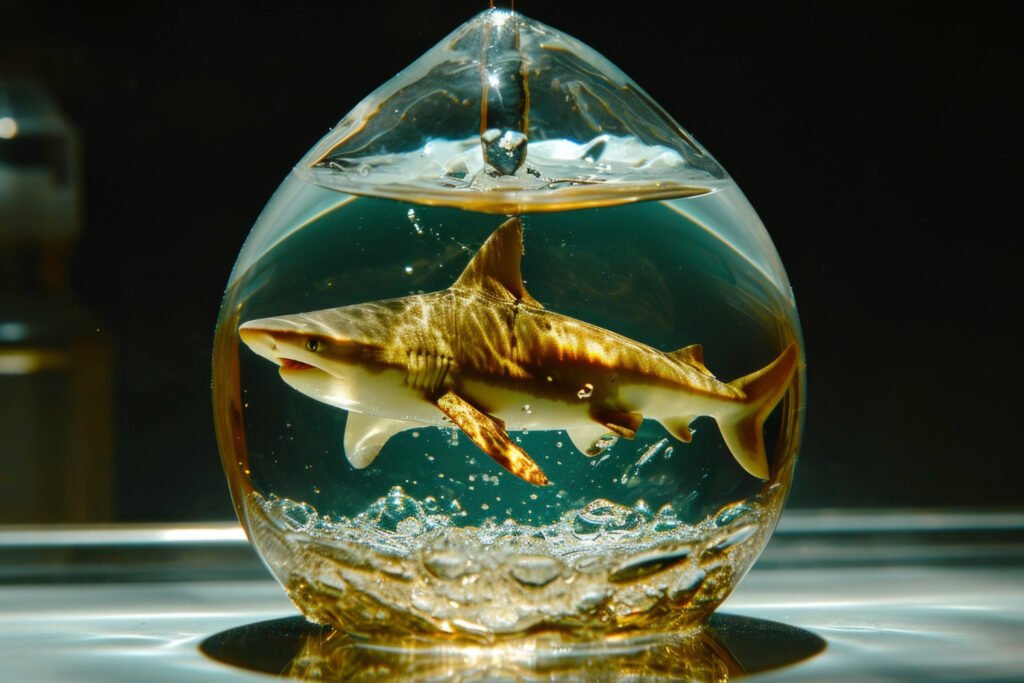
Physical Characteristics of Lemon Sharks
One of the easiest ways to identify a lemon shark is by its unique coloration. Its yellowish or olive-brown skin provides excellent camouflage against sandy ocean floors.
Lemon sharks have a robust body with two similarly sized dorsal fins, which is a distinguishing characteristic compared to many other shark species.
Some notable physical features include:
- Broad and rounded snout
- Powerful muscular body
- Yellow-brown coloration
- Large pectoral fins
- Sharp, triangular teeth
- Strong swimming abilities
Adult lemon sharks can reach impressive sizes, making them one of the larger coastal shark species.
Where Do Lemon Sharks Live?
Lemon sharks inhabit warm waters throughout the Atlantic and Pacific Oceans. They are commonly found in regions with shallow coastal environments.
Popular lemon shark habitats include:
- The Caribbean Sea
- The Gulf of Mexico
- Coastal Florida
- The Bahamas
- Brazil
- West Africa
- Pacific coastal regions
Young lemon sharks often spend their early years in mangrove forests and shallow nurseries. These protected environments provide safety from larger predators while offering abundant food sources.
Why Mangroves Are Important
Mangrove ecosystems serve as critical nursery habitats for juvenile lemon sharks. The dense root systems provide shelter and protection during their most vulnerable stages of life.
Scientists have found that healthy mangrove habitats significantly improve survival rates among young sharks.
Diet and Feeding Habits
Lemon sharks are carnivorous predators that feed on a wide variety of marine animals. Their diet changes as they grow larger.
Common prey items include:
- Bony fish
- Stingrays
- Squid
- Octopus
- Crustaceans
- Small sharks
Lemon sharks rely on highly developed senses to locate prey. They can detect electrical signals emitted by other animals, helping them find food even in murky waters.
Unlike some shark species that rely heavily on surprise attacks, lemon sharks often use a combination of stealth and speed when hunting.
Behavior and Social Structure
One fascinating aspect of lemon sharks is their social behavior. For many years, sharks were believed to be solitary creatures. However, research has shown that lemon sharks often form social groups.
Scientists have observed lemon sharks:
- Swimming together in groups
- Returning to the same locations repeatedly
- Developing social preferences
- Interacting with familiar individuals
These discoveries have challenged long-standing assumptions about shark intelligence and social organization.
Are Lemon Sharks Dangerous?
Lemon sharks are generally considered less aggressive than many larger shark species. While they are powerful predators, attacks on humans are extremely rare.
Most encounters between divers and lemon sharks are peaceful. In fact, the species is a popular attraction for shark-diving experiences in locations such as the Bahamas.
However, like all wild animals, lemon sharks should be treated with caution and respect.
Reproduction and Life Cycle
Lemon sharks reproduce through a process known as viviparity. This means females give birth to live young rather than laying eggs.
The reproductive cycle includes:
- Mating in shallow coastal waters
- Gestation period of approximately 10–12 months
- Live birth in nursery habitats
- Juvenile development in protected coastal areas
Female lemon sharks can give birth to anywhere from 4 to 17 pups in a single litter.
Newborn pups are independent from birth and must immediately begin searching for food and avoiding predators.
Importance in Marine Ecosystems
Lemon sharks play an essential role as apex and mesopredators in coastal ecosystems. Their presence helps maintain ecological balance by regulating prey populations.
Without predators such as lemon sharks, marine food webs can become unstable.
Benefits of healthy lemon shark populations include:
- Balanced fish populations
- Improved reef health
- Greater biodiversity
- Stronger ecosystem resilience
By controlling the numbers of certain prey species, lemon sharks indirectly support the overall health of coastal habitats.
Conservation Status and Threats
The lemon shark is currently classified as a vulnerable species due to various environmental pressures.
Several factors contribute to population declines:
- Overfishing
- Habitat destruction
- Coastal development
- Mangrove loss
- Bycatch in commercial fisheries
- Climate change impacts
The destruction of mangrove habitats is particularly concerning because these areas are essential nurseries for young sharks.
Conservation Efforts
Many organizations and governments have introduced measures to protect lemon sharks and their habitats.
These efforts include:
- Marine protected areas
- Shark fishing regulations
- Habitat restoration projects
- Public education campaigns
- Scientific monitoring programs
Continued conservation action is critical to ensuring the long-term survival of this species.
Interesting Facts About Lemon Sharks
Here are some surprising facts about lemon sharks:
- Their yellow coloration inspired their common name.
- They can live for several decades.
- Lemon sharks have excellent memory and learning abilities.
- They are among the most studied shark species in the world.
- Juveniles often remain in the same nursery areas for years.
- They can detect tiny electrical signals produced by prey.
These characteristics make lemon sharks an important species for scientific research and marine conservation.

Frequently Asked Questions (FAQs)
1. Why is it called a lemon shark?
The lemon shark gets its name from its yellowish-brown coloration, which resembles the color of a lemon and helps it blend into sandy coastal habitats.
2. How big can a lemon shark grow?
Most adult lemon sharks reach between 8 and 10 feet in length, although some individuals can exceed 11 feet.
3. Are lemon sharks dangerous to humans?
Lemon sharks are generally not considered highly dangerous. Attacks on humans are extremely rare, and most interactions are peaceful.
4. What do lemon sharks eat?
Their diet consists mainly of fish, rays, squid, crustaceans, and other marine animals.
5. Where can lemon sharks be found?
They are commonly found in warm coastal waters throughout the Caribbean, Gulf of Mexico, Atlantic Ocean, and parts of the Pacific Ocean.
6. Why are lemon sharks important?
Lemon sharks help maintain healthy marine ecosystems by regulating prey populations and supporting ecological balance.
Final Thoughts
The lemon shark is one of the ocean’s most fascinating and scientifically important shark species. Its distinctive appearance, complex social behavior, and ecological significance make it a valuable part of marine ecosystems around the world.
Despite facing threats from habitat loss and overfishing, ongoing conservation efforts offer hope for the future of this remarkable species. By protecting coastal habitats and promoting sustainable ocean management, we can help ensure that lemon sharks continue to thrive for generations to come.
Whether you’re a marine enthusiast, student, diver, or conservation advocate, learning about lemon sharks provides a deeper appreciation for the incredible diversity and complexity of life beneath the waves.
Also Read: Grouse Cheese: Everything You Need to Know About This Unique Cheese Variety