Motorways are the backbone of modern transportation. They connect cities, boost economic growth, and make long-distance travel faster and safer. Whether you’re a daily commuter or planning a road trip, understanding how motorways work can improve your driving experience significantly.
In this comprehensive guide, you’ll learn everything about motorways—from their design and rules to safety tips and benefits. Let’s dive in.
What Is a Motorway?
A motorway is a high-speed road designed for efficient and uninterrupted traffic flow. Unlike regular roads, motorways have controlled access points, meaning vehicles can only enter or exit at designated interchanges.
These roads are built for speed, safety, and convenience. They usually feature multiple lanes, central barriers, and strict traffic rules to reduce accidents.
Key Features of Motorways
Motorways are not just bigger roads—they are engineered with specific features that set them apart.
1. Controlled Access
- No direct entry from houses or local streets
- Entry and exit only via ramps or interchanges
2. Multiple Lanes
- Typically 2–4 lanes in each direction
- Separate lanes for overtaking and slow-moving vehicles
3. Median Barriers
- Dividers between opposite traffic flows
- Reduce the risk of head-on collisions
4. No Pedestrians or Slow Vehicles
- Pedestrians, bicycles, and animal carts are not allowed
- Only motorized vehicles can use motorways
5. High-Speed Limits
- Designed for faster travel compared to city roads
Types of Motorways
Motorways can vary depending on design and purpose.
Urban Motorways
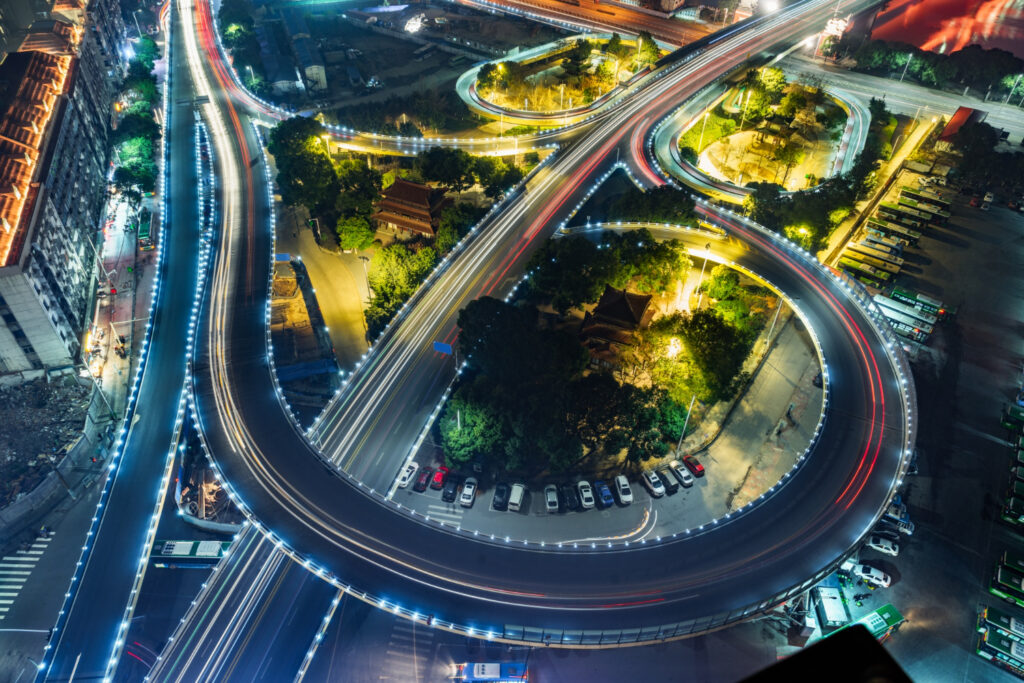
Located within cities, these handle heavy traffic and connect urban areas.
Rural Motorways
Built outside cities, these connect towns and regions with fewer exits.
Toll Motorways
Drivers pay a fee to use these roads. In return, they are often better maintained.
Motorway Rules You Must Follow
Driving on a motorway requires discipline and awareness. Ignoring rules can lead to serious accidents.
Basic Rules:
- Always drive in the left lane unless overtaking
- Use indicators before changing lanes
- Maintain a safe distance from the vehicle ahead
- Follow speed limits strictly
Overtaking Rules:
- Overtake from the right side
- Return to the left lane after overtaking
Emergency Rules:
- Use the shoulder lane only in emergencies
- Turn on hazard lights if your vehicle breaks down
Benefits of Motorways
Motorways offer numerous advantages for both drivers and the economy.
Faster Travel
- Reduced travel time between cities
- No traffic signals or interruptions
Improved Safety
- Fewer intersections mean fewer accidents
- Better road design reduces risks
Economic Growth
- Easier transport of goods
- Boosts trade and tourism
Fuel Efficiency
- Constant speeds help reduce fuel consumption
Motorway vs Regular Road
Here’s a simple comparison to understand the difference:
| Feature | Motorway | Regular Road |
|---|---|---|
| Access | Controlled | Open |
| Speed Limit | High | Moderate to Low |
| Traffic Signals | None | Frequent |
| Safety Level | High | Medium |
| Pedestrian Access | Not Allowed | Allowed |
| Travel Time | Faster | Slower |
Tips for Safe Motorway Driving
Driving on a motorway can feel intimidating, especially for beginners. These tips will help you stay safe.
Before Entering:
- Check fuel level
- Inspect tires and brakes
- Plan your route
While Driving:
- Stay focused and avoid distractions
- Keep both hands on the wheel
- Use mirrors frequently
In Heavy Traffic:
- Avoid sudden braking
- Keep a safe following distance
- Stay patient and calm
At Night:
- Use headlights properly
- Avoid high beams when unnecessary
- Stay alert for tiredness
Common Mistakes to Avoid
Even experienced drivers make errors on motorways. Avoid these common mistakes:
- Driving too slowly in fast lanes
- Tailgating other vehicles
- Ignoring blind spots
- Sudden lane changes
- Using mobile phones while driving
Motorways in Pakistan
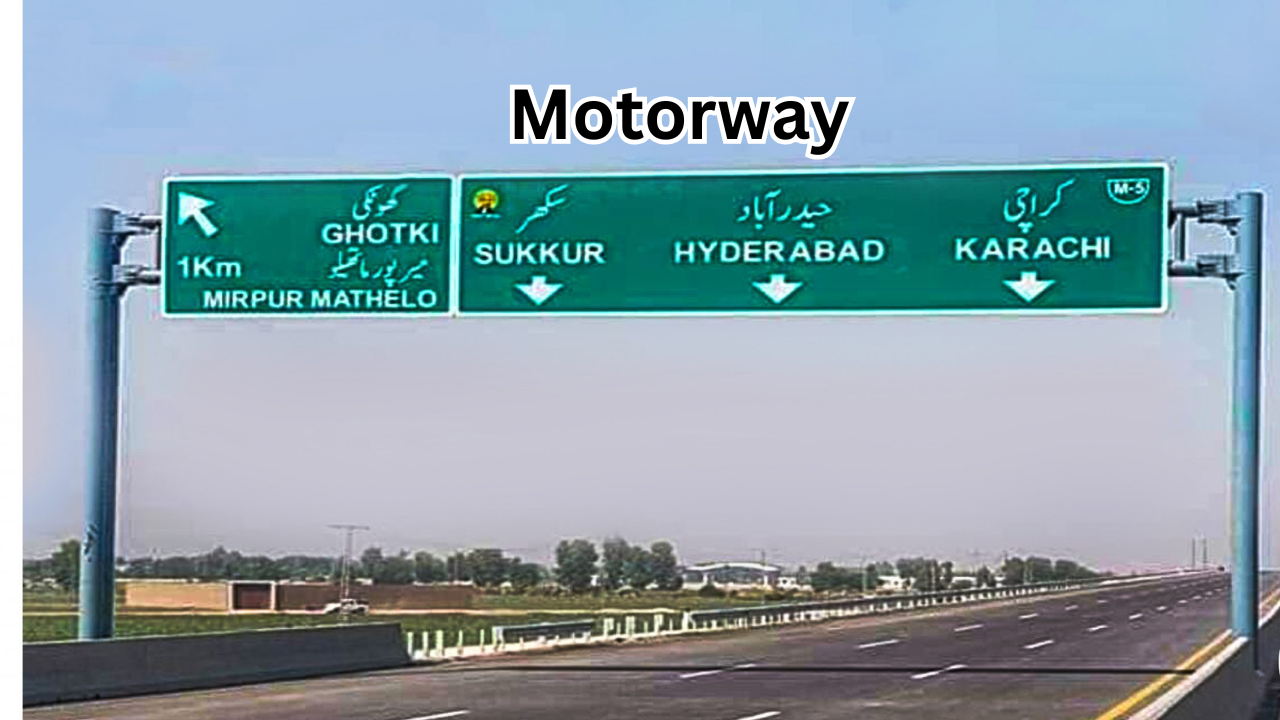
Pakistan has developed an impressive motorway network over the years. These roads connect major cities and improve travel efficiency.
Some popular motorways include:
- M-1 (Islamabad to Peshawar)
- M-2 (Lahore to Islamabad)
- M-3 (Lahore to Multan)
- M-5 (Multan to Sukkur)
These motorways are managed with strict rules and modern facilities, making travel safer and more comfortable.
Future of Motorways
Motorways are evolving with technology. Smart highways and digital systems are being introduced worldwide.
Emerging Trends:
- Intelligent traffic management systems
- Electric vehicle charging stations
- Automated toll collection
- Smart cameras for monitoring
These innovations aim to make travel even safer and more efficient.
Frequently Asked Questions (FAQs)
1. What is the speed limit on motorways?
Speed limits vary by country, but they are generally higher than regular roads. Always follow posted signs.
2. Can motorcycles use motorways?
In many regions, motorcycles are allowed, but in some areas, they are restricted. Check local rules.
3. What should I do if my car breaks down?
Move to the emergency lane, turn on hazard lights, and call for assistance immediately.
4. Why are pedestrians not allowed on motorways?
Because motorways are designed for high-speed vehicles, pedestrians would be at serious risk.
5. How do toll motorways work?
Drivers pay a fee at toll booths or through electronic systems for using the road.
Final Thoughts
Motorways play a vital role in modern transportation. They offer speed, safety, and convenience that regular roads simply cannot match. However, these benefits come with responsibility.
By following traffic rules, staying alert, and practicing safe driving habits, you can make the most of motorway travel. Whether you’re commuting daily or heading out on a long journey, understanding motorways will ensure a smoother and safer ride.
If used wisely, motorways are not just roads—they are pathways to efficiency, growth, and better travel experiences.
Also Read: Mark Mester: Biography, Career, Net Worth, and Latest Updates