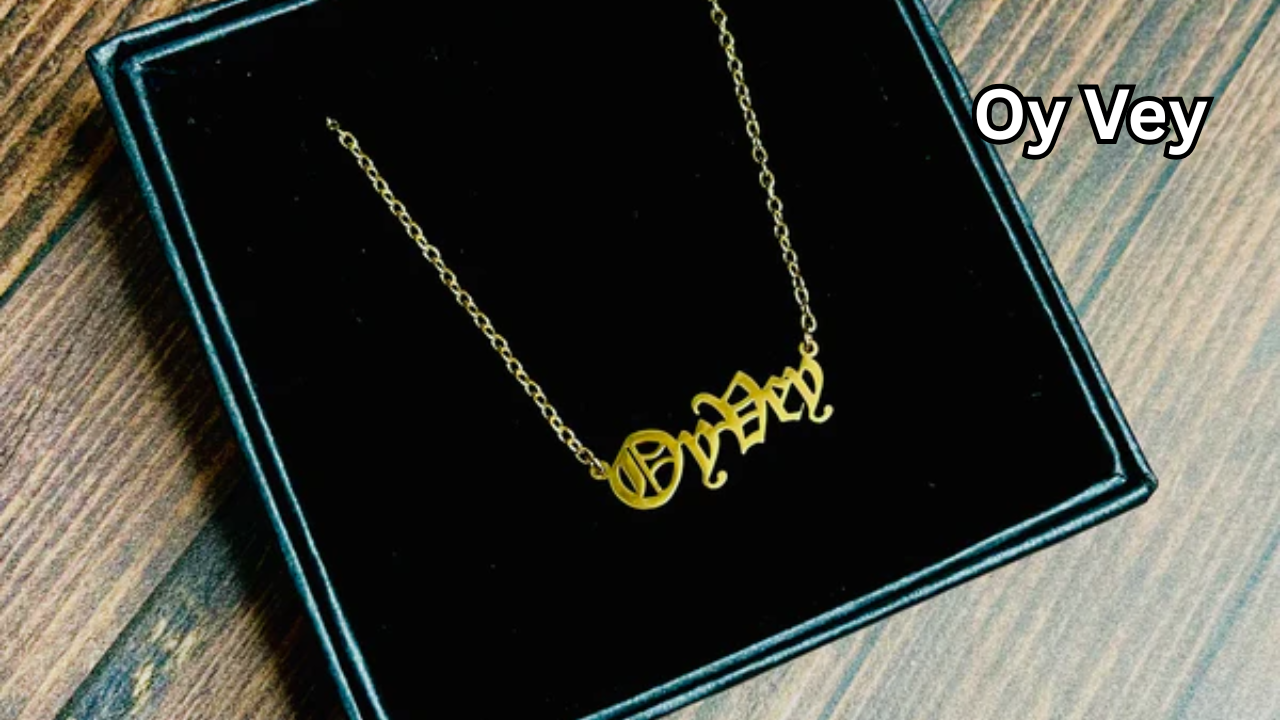
Language is full of colorful expressions, but few are as expressive and culturally rich as “oy vey.” Whether you’ve heard it in movies, social media, or everyday conversation, this short phrase carries a surprising depth of emotion and history. In this article, we’ll explore what “oy vey” really means, where it comes from, how it’s used today, and why it continues to resonate across cultures.
What Does “Oy Vey” Mean?
“Oy vey” is an exclamation used to express frustration, dismay, exhaustion, or disbelief. It’s similar to saying:
- “Oh no”
- “What a mess”
- “I can’t believe this”
- “This is too much”
The tone can vary depending on the situation. Sometimes it’s serious, other times it’s humorous or exaggerated.
For example:
- “Oy vey, I forgot my wallet at home.”
- “Oy vey, this traffic is never-ending!”
It’s a flexible phrase that fits both minor inconveniences and bigger problems.

The Origins of “Oy Vey”
The phrase “oy vey” comes from Yiddish, a historical language spoken by Ashkenazi Jewish communities in Central and Eastern Europe.
Breaking It Down
- “Oy” – An exclamation of pain, surprise, or frustration
- “Vey” – Derived from a word meaning “woe” or “pain”
Together, “oy vey” literally translates to something like “oh woe” or “oh, what suffering.”
How “Oy Vey” Became Popular Worldwide
While “oy vey” started within Jewish communities, it spread widely due to:
- Migration to countries like the United States
- Influence of Jewish culture in entertainment
- Use in films, TV shows, and comedy
Shows like Seinfeld and comedians such as Jerry Seinfeld helped normalize the phrase in mainstream culture.
Today, people from many backgrounds use “oy vey” casually—even if they don’t know its origins.
Common Situations Where People Say “Oy Vey”
“Oy vey” fits into many everyday scenarios. Here are some common ones:
1. Frustration
When something doesn’t go as planned:
- “Oy vey, my internet stopped working again.”
2. Overwhelm
When things feel like too much:
- “Oy vey, I have three deadlines tomorrow.”
3. Disappointment
When expectations aren’t met:
- “Oy vey, I thought this would be easier.”
4. Humor
Sometimes it’s used playfully:
- “Oy vey, look at this mess you made!”
Variations of “Oy Vey”
There are a few variations of this expression, each with slightly different tones.
| Variation | Meaning / Usage | Tone |
|---|---|---|
| Oy | Basic exclamation | Mild |
| Oy vey | Standard expression of frustration | Moderate |
| Oy vey iz mir | “Oh woe is me” (more dramatic) | Strong / Dramatic |
These variations are still rooted in Yiddish but differ in intensity.
Why “Oy Vey” Is Still Relevant Today
Despite being centuries old, “oy vey” continues to thrive. Here’s why:
Cultural Identity
For many, it represents heritage and tradition.
Emotional Simplicity
It captures complex feelings in just two words.
Pop Culture Influence
Movies, memes, and social media keep it alive.
Universal Relatability
Everyone experiences moments where “oy vey” feels appropriate.
“Oy Vey” in Modern Communication
In today’s digital world, “oy vey” appears in:
- Social media captions
- Memes
- Text messages
- Online discussions
It’s often used humorously, especially when reacting to everyday struggles.
For example:
- “Oy vey, Monday already?”
- “Oy vey, my phone battery is at 2%.”
When Not to Use “Oy Vey”
Although widely accepted, context still matters.
Avoid using it:
- In formal writing or professional emails
- In situations where cultural sensitivity is important
- If you’re unsure how it may be perceived
Used respectfully, it’s harmless—but awareness is always good.
Tips for Using “Oy Vey” Naturally
If you want to use this phrase in conversation, keep these tips in mind:
- Use it casually, not formally
- Match the tone to the situation
- Don’t overuse it—less is more
- Pay attention to context
Think of it as a seasoning, not the main ingredient.
FAQs About “Oy Vey”
1. Is “oy vey” offensive?
No, it’s not inherently offensive. It’s a traditional expression. However, using it respectfully is important.
2. Can non-Jewish people use “oy vey”?
Yes, many people do. It has become part of global pop culture, though awareness of its roots is appreciated.
3. Is “oy vey” formal or informal?
It is strictly informal and best used in casual conversation.
4. What is the difference between “oy” and “oy vey”?
“Oy” is a shorter, milder expression, while “oy vey” carries more emotional weight.
5. Is “oy vey” still used today?
Absolutely. It’s commonly used in both spoken language and online communication.
Final Thoughts
“Oy vey” is more than just a phrase—it’s a cultural expression packed with emotion, history, and personality. From its roots in Yiddish-speaking communities to its place in modern pop culture, it has stood the test of time.
Its charm lies in its simplicity. Two small words can capture frustration, humor, and disbelief all at once. Whether you’re dealing with a minor inconvenience or a stressful situation, sometimes “oy vey” says it all.
Understanding expressions like this not only improves communication but also connects us to the cultural stories behind language. And that’s what makes phrases like “oy vey” truly timeless.
Also Read: Imbibe Meaning: Definition, Usage, Examples, and Everyday Applications